
BLD-08 · Building technology
Low-current and network rough-in for villas in Riyadh, at structure stage
A wall broken open for one cable after finishing costs many times the cable. Rough-in before plastering means every network, camera and intercom point finds its route ready, and the villa has room for what you have not yet decided to install.
Why structure stage?
At structure stage conduits are open and walls unplastered, so running cable is cheap and flexible. After finishing, every new cable means chasing a wall and repainting or pulling through closed ceilings. So we join the contractor from the first review of the electrical drawings and fix point positions before furniture and decor are chosen.
What gets run
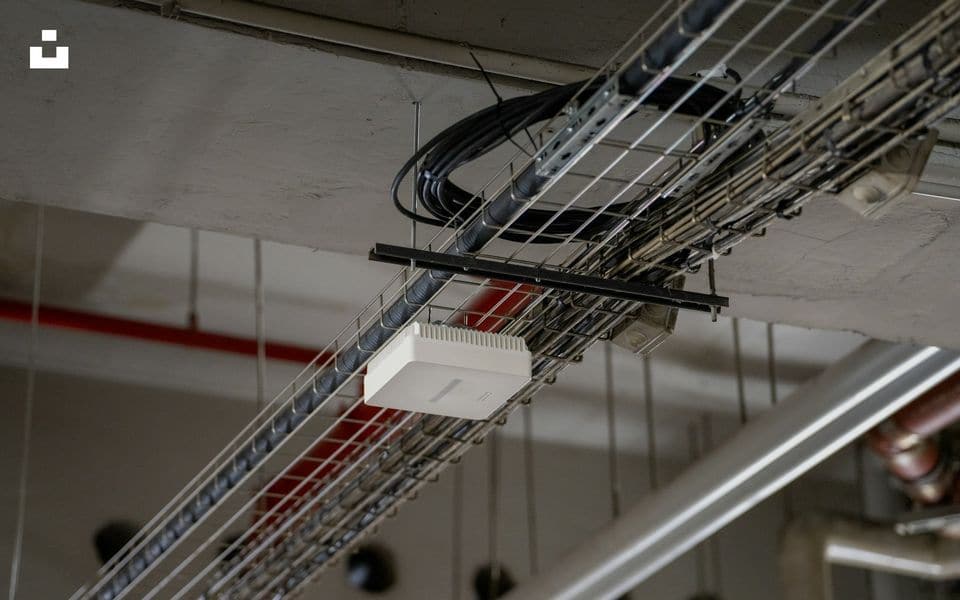
- Network: Cat6 or Cat6A to every room, and points for wireless access points at mid-ceiling on each floor.
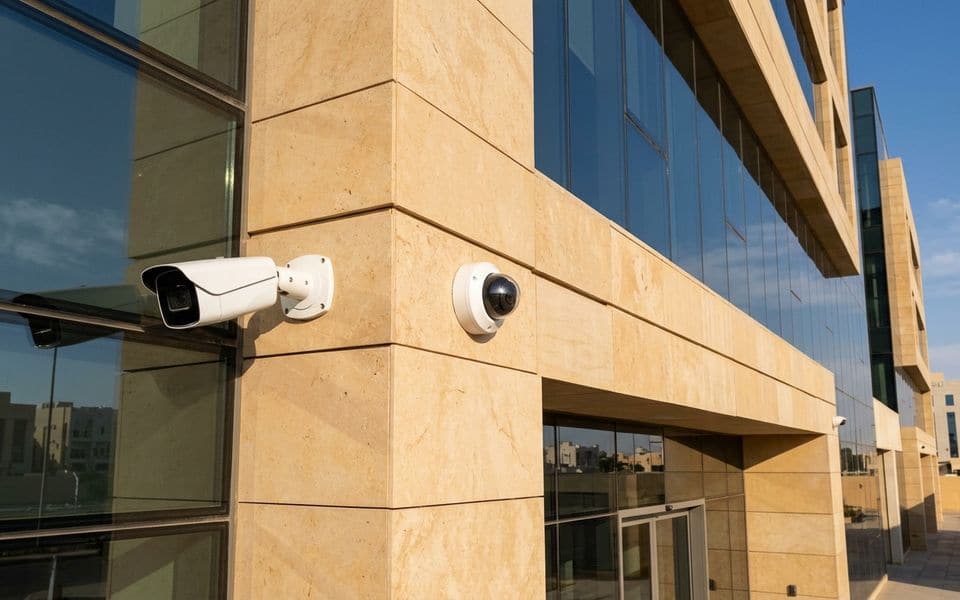
- Cameras: one PoE network cable per indoor and outdoor point, in conduit sized so it can be replaced later.
- Intercom and gate: cables for the door station, monitors, gate motor and electric lock.
- Audio and cinema: speaker cables and routes for the screen and equipment.
- Smart home: KNX routes or shade outlets and device boxes according to the protocol chosen.
- Fibre: a route from the service entry to the comms room, plus empty spare conduits.
The comms room
The point where the cables meet: a ventilated rack cabinet with a dedicated power supply and at least 30% room to grow, away from heat and damp. Fixing its location at structure stage saves moving it later. Cables are numbered and recorded on the as-built drawing so nobody is lost in the room years later.
Coordination with finishing and air conditioning
Low-current routes cross electrical, air conditioning and plumbing, and are kept apart from power cables to avoid interference. If the villa is with our finishing division we plan the work as one programme through the contracting and decor division; otherwise we coordinate with your contractor.
Our part, start to finish
What we do on this kind of project
We don't sell the equipment. We design the system, install and commission it, and keep it working.
Design & consulting
- Review of electrical and architectural drawings
- Point count per room and per system
- Comms room position and routes
- Materials list and neutral specification
Installation
- Conduit and cable at structure stage
- Cable numbering and point-to-point testing
- Comms room fit-out
- As-built drawing handover
Maintenance
- Follow-up during finishing
- Device connection after painting
- Full system test
- Optional maintenance contract
Before you buy
Questions to settle first
These decide cost and performance more than the brand on the box. We work through them with you at survey stage.
- What construction stage is your villa at now?
- Which systems do you want now and which might you add later?
- How many network and camera points do you expect?
- Do you want fibre?
- Where can the comms room go?
- Who is the finishing contractor to coordinate routes with?
Frequently asked questions
How many network points does a villa need?
One or two per living room and bedroom, plus points for wireless access points, cameras and screens. We count them with you on the drawings.
Do I need Cat6 or Cat6A?
Cat6 suits most villas; Cat6A for those expecting 10 Gb speeds over longer runs or wanting longer-lived readiness.
Can rough-in be done after plastering?
Possible at higher cost through chasing and repair, or with covered surface routes. Before plastering is far cheaper.
Do you do the electrical cabling too?
We do the low-current and coordinate with the electrical contractor on power routes and conduits.
What about existing villas?
We plan routes through false ceilings and shafts and use wireless where cabling is not possible, with carefully placed access points.