



PWR-01 · Power continuity
Power continuity for the systems that must stay on
Security systems fail where power fails. We design the power behind the systems we install: UPS, central battery, generator interfaces and solar PV where it makes sense.
Start with the load and the autonomy
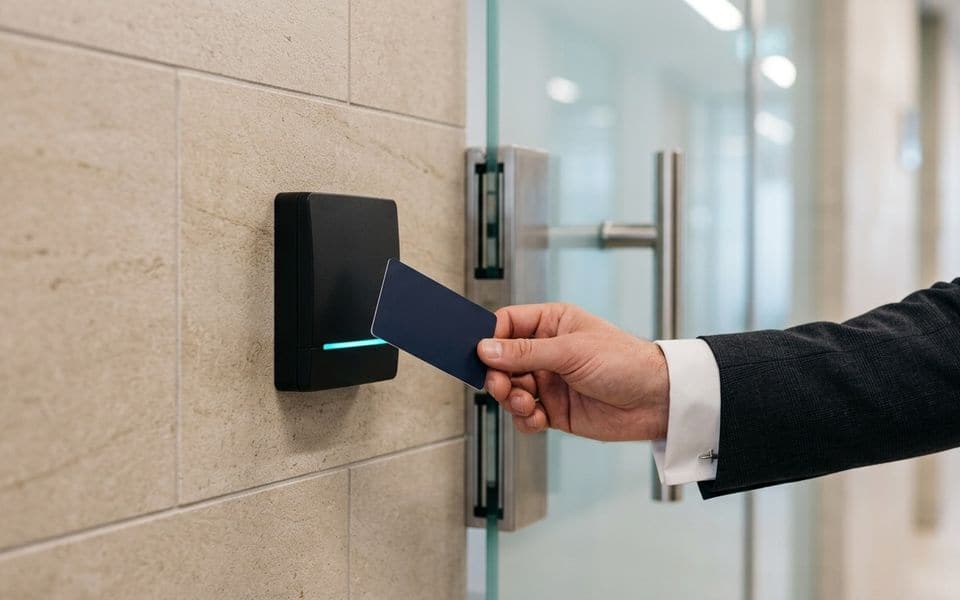
We list what must keep running during an outage and for how long: recorders and core switches, access controllers and locks, the control room, intercom. Autonomy is set by how long the generator takes to start and stabilise, or how long the site can be without mains if there is no generator.
Each part of the power chain has its own page with the detail:

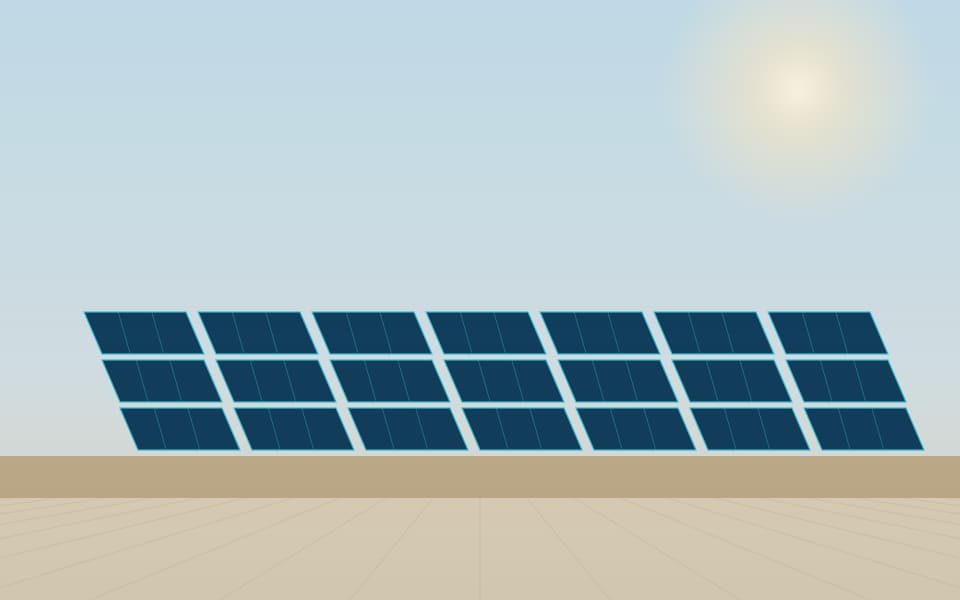
Solar PV
On-grid, hybrid and off-grid PV for buildings and remote points.
Read more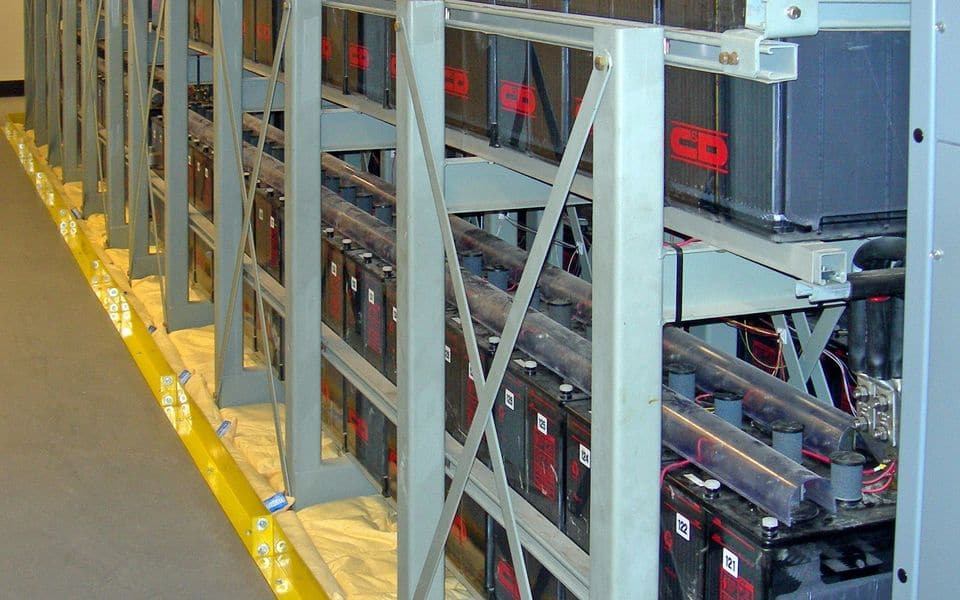
UPS systems
Online UPS sized by load and autonomy, with batteries that last.
Read more
Central battery systems
Monitored power for emergency lighting to EN 50171.
Read more
Generator interfaces
ATS, transfer and the loads behind a standby generator.
Read moreOnline double-conversion UPS units protect sensitive equipment from the poor power quality that is common at the end of long feeders. Battery life depends heavily on temperature: VRLA batteries are rated at 25 °C and their life falls sharply above that, roughly halving for every 8–10 °C of sustained increase. An UPS in an unventilated cupboard in a Riyadh summer will need new batteries far earlier than its datasheet suggests. Room ventilation or air-conditioning is part of the design.
Central battery systems and generators

Central battery systems (CBS) supply emergency lighting from one monitored battery source, designed to EN 50171 where specified, with automatic testing and logs. For generators we design the interface: automatic transfer switch (ATS) signals, load priority, and the test regime that proves the system starts under load.
Solar PV

We engineer, install and programme solar PV installations as a dedicated practice within our power continuity division. Every design starts from the site's load profile and available roof or ground area, sizing strings to the inverter's MPPT voltage window with cell-temperature derating. In Saudi Arabia, high module temperatures and dust accumulation directly impact output, so thermal coefficients and cleaning schedules are built into our yield calculations.
- On-grid systems reduce bills and need approval from the utility before connection. We prepare the technical package for that application.
- Hybrid systems add batteries to carry critical loads through outages.
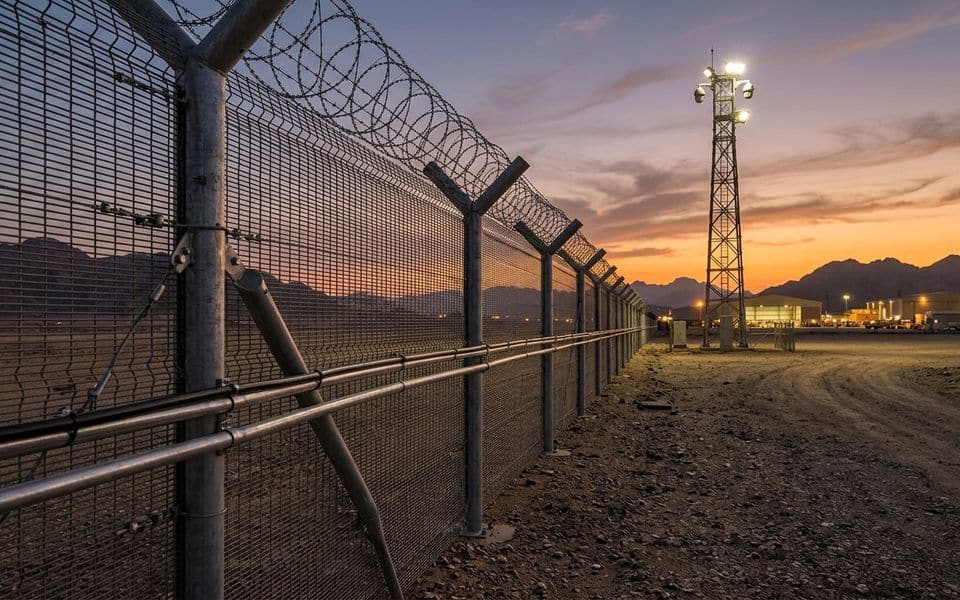
- Off-grid systems power remote sites such as perimeter cameras, gatehouses and telecom points, where a cable run would cost more than the panels.
We provide design, installation and commissioning services. Panels, inverters and batteries are procured by you or your contractor against our specification.
Our part, start to finish
What we do on a power continuity project
We don't sell the equipment. We design the system, install and commission it, and keep it working.
Design & consulting
- Critical load list and autonomy targets
- UPS, battery and CBS sizing
- Solar yield estimate with temperature and soiling losses
- Generator and ATS interface design
Installation
- UPS and battery installation
- PV mounting, stringing and inverter programming
- Load transfer tests
- Commissioning records
Maintenance
- Battery capacity and impedance tests
- UPS and inverter health checks
- PV cleaning and performance checks
- Generator-run coordination
Before you buy
Questions to settle first
These decide cost and performance more than the brand on the box. We work through them with you at survey stage.
- Which systems must stay on, and for how long?
- Is there a generator, and how long does it take to take load?
- Where will batteries sit, and how hot does that room get?
- Is the goal bill reduction, backup, or power for a remote point?
- Who will clean PV panels, and how often?
- Does the site already have power quality problems?
Works alongside
Related systems

Gallery
Power continuity in context
Illustrations show typical arrangements, not specific projects. Select an image to enlarge it.